Best Fish to Catch Inshore on the Gulf Coast
- Mike Schlitz
- Jul 17
- 6 min read

A redfish crushing a bait along a marsh edge, a speckled trout thumping a jig over a shell bed, or a flounder coming tight near a sandy drop-off - that is what makes Gulf Coast inshore fishing hard to beat. The best fish to catch inshore depends on the season, water conditions, and what you want from the day: a hard fight, a fish fry, a first catch for the kids, or all three.
Around Bay St. Louis and the Mississippi Gulf Coast, anglers have access to protected bays, winding marshes, oyster reefs, grass, and nearby Gulf waters. That variety keeps the fishing interesting year-round. You do not need to own a boat or show up with a tackle box full of gear to enjoy it, either. A good inshore trip puts you close to the action while a captain handles the boat, bait, local conditions, and safe navigation.
The Best Fish to Catch Inshore in Mississippi
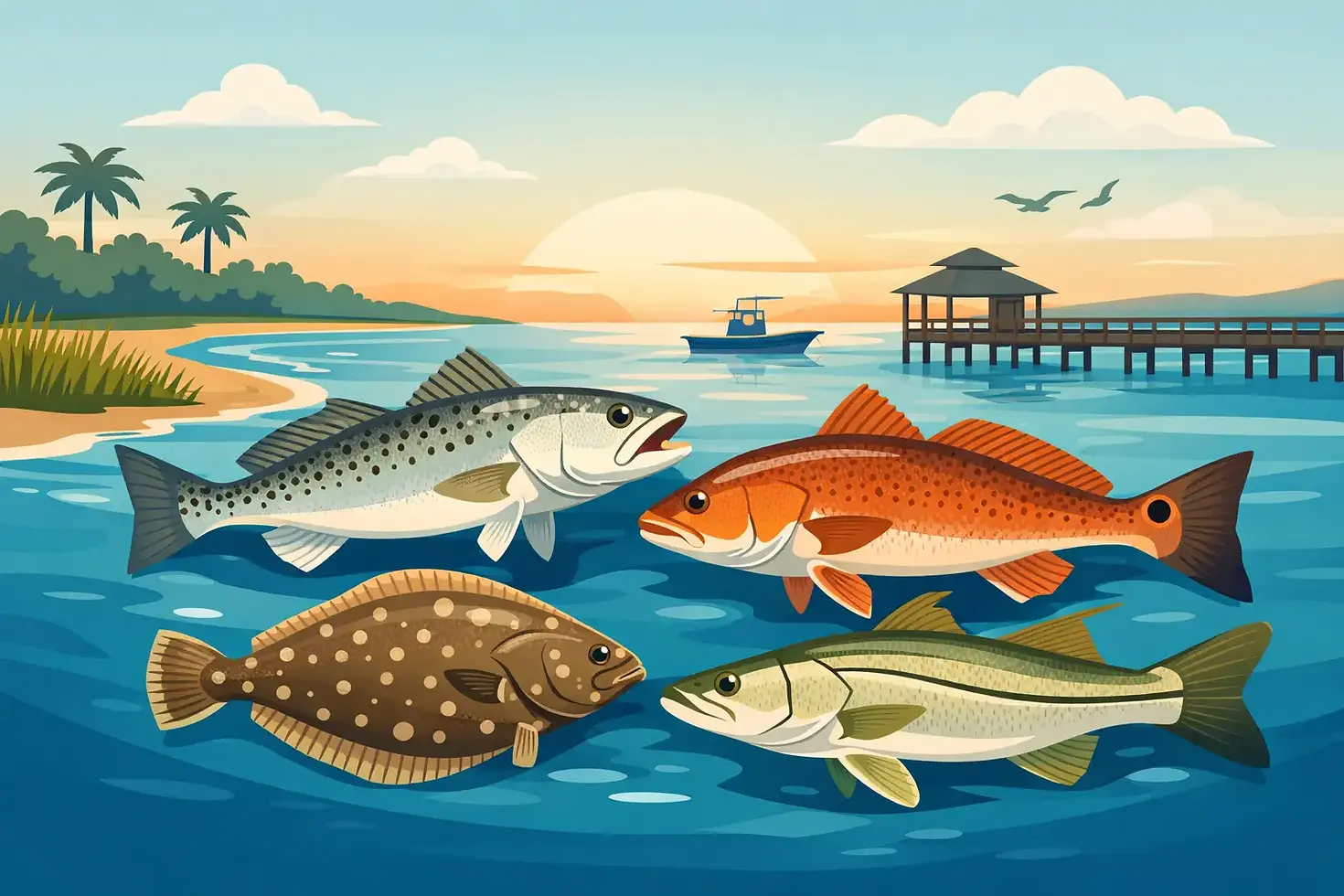
For most anglers, the top inshore targets are redfish, speckled trout, flounder, and sheepshead. They are recognizable Gulf Coast fish, each with its own style of bite and its own reason to chase it. Some days one species is clearly the best play. On other days, moving between spots and targeting a mixed bag creates the most productive trip.
Redfish: The all-around inshore favorite
Redfish are often at the top of the list because they fight hard, feed in shallow water, and give anglers of every experience level a real shot at a memorable catch. They can be found cruising marsh banks, pushing bait across shallow flats, holding near oyster reefs, or staging around deeper bay structure when weather changes.
A redfish bite can be dramatic. In clear shallow water, you may spot a bronze-colored back, a tail breaking the surface, or a wake moving along a grass line before the fish ever touches the bait. In dirtier water, the strike may come as a steady pull or a sudden thump near structure.
Redfish are a great choice for families because the tackle is manageable, the action can happen close to shore, and every fish feels strong on the line. They are also a favorite with experienced anglers who want to sight-cast, work artificial lures, or hunt larger fish around the marsh. Size and harvest regulations can change, so a licensed captain keeps the trip within current rules and helps handle fish properly.
Speckled trout: Fast action and great table fare
Speckled trout are a classic Gulf Coast target, especially for anglers who want consistent casting and the chance to bring home a fresh fish dinner when conditions allow. Trout often gather around oyster reefs, points, current lines, deeper holes, and areas where baitfish are concentrated.
Their bite can be light or aggressive. On a good morning, trout may hit a popping cork, live bait, or soft plastic almost as soon as it reaches the strike zone. On a tougher day, success may depend on slowing down, changing lure color, or finding cleaner water after wind or rain has stirred up the bay.
Trout fishing is a good fit for beginners because there can be plenty of bites, but it still rewards anglers who pay attention. Learning to feel the difference between a trout tap and the bottom is part of the fun. Spring through fall can offer excellent trout opportunities, although weather, salinity, and water temperature always matter more than a date on the calendar.
Flounder: The ambush fish worth the wait
Flounder do not announce themselves with a big surface blowup. They lie on the bottom, blend into the sand or mud, and wait for a meal to come close. That makes landing one feel especially satisfying. A bite may feel like extra weight, a small bump, or a bait that simply stops moving the way it should.
These flatfish are commonly found around marsh drains, sandy edges, docks, channels, and places where moving water carries shrimp or small baitfish past an ambush point. They are prized for their mild, flaky meat, which makes them a popular addition to a Gulf Coast fish fry.
Flounder fishing teaches patience. When one picks up the bait, an angler may need to give it a moment before setting the hook, depending on the rig and bait being used. A captain can coach that timing and help keep a good fish from slipping free at the boat. Harvest seasons and limits are closely managed, so it pays to fish with someone who stays current on the regulations.
Sheepshead: A challenge around the structure
Sheepshead are easy to recognize by their bold black-and-white bars, but they are not always easy to catch. They feed around barnacles, pilings, reefs, and other hard structure, often picking at bait with quick, subtle bites. Anglers who are used to waiting for a rod to bend may miss them at first.
That challenge is exactly why sheepshead are so much fun. They pull harder than many people expect, especially around structure where they know how to use the current to their advantage. They also make excellent table fare.
Cooler months are often a strong time to target sheepshead, particularly around areas with barnacle growth and deeper structure. For a group that wants a different style of fishing than casting marsh banks, sheepshead can make a winter or early spring trip feel busy and rewarding.
What Makes One Species Better Than Another?
There is no single answer because the best target is tied to your trip goals. If you want a powerful pull and a classic marsh experience, redfish are tough to beat. If the group wants steady casting and a chance at a mixed box of eating fish, speckled trout may lead the day. If a fresh fillet is the priority and conditions line up, flounder are always worth targeting. If you enjoy a technical bite and fishing tight to structure, sheepshead bring plenty of action.
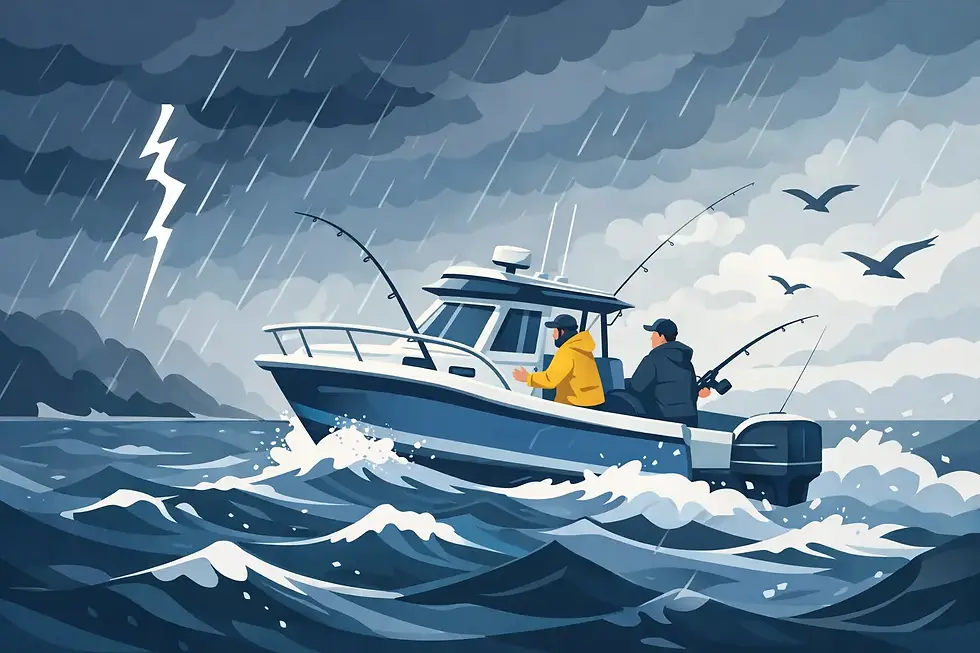
Weather is a major factor. A stiff wind can make open-water trout spots uncomfortable or muddy, while protected marsh areas may still provide good redfish opportunities. After heavy rainfall, freshwater can push through the system and change where saltwater species hold. A cold front can slow a shallow bite but concentrate fish in deeper areas. These changes are normal on the coast, and they are why local knowledge matters.
The tide matters, too. Moving water is often productive because it carries bait. A falling tide can pull fish toward marsh drains and cuts. A rising tide may let redfish move farther into shallow grass and flooded shorelines. The right tide is not always the same at every location, so the plan should match the conditions instead of forcing one spot to produce.
Match the Trip to Your Group
Inshore fishing is one of the easiest ways to get a group on saltwater without making the day overly complicated. Kids and first-time anglers often enjoy redfish and trout because the gear is straightforward and the captain can provide hands-on instruction. Couples and vacationing groups may prefer a half-day trip that leaves room for the beach, lunch, or a relaxed afternoon in Bay St. Louis.
More serious anglers may want a full day to cover different water, work several tide stages, and target multiple species. A sunset trip can be a great option for people who want cooler temperatures, beautiful marsh scenery, and a few hours of fishing without committing to a full day on the water.
At Holy Schlitz Fishing Charters, the goal is to keep the experience simple: show up ready to fish, listen to the captain's safety briefing, and enjoy the day. Licenses, quality gear, bait, water, and optional fish cleaning take much of the planning off your plate. Bring sun protection, weather-appropriate clothing, polarized sunglasses if you have them, and a cooler for your cleaned catch.
A Few Habits That Help You Catch More
You do not need expert casting skills to catch inshore fish, but a few basics make a difference. Keep your line reasonably tight after the bait lands so you can feel a strike. Watch where the captain points out bait, current, birds, grass edges, or oyster structure. Cast where fish are likely to travel, not just as far as possible.
When a fish hits, stay calm. Set the hook as instructed, keep steady pressure, and let the rod do the work. Trying to horse a redfish or lift a flounder too quickly can cost you the catch. If you are not sure what happened on a cast, ask. A guided trip is as much about learning the water as it is about filling the cooler.
The best days inshore are not measured only by the number of fish caught. They are the days when a child feels their first tug, a group laughs through a missed strike, and someone heads home with a story about the one that pulled drag beside the marsh grass. Pick a target, trust the conditions, and enjoy every cast the Gulf Coast gives you.


Comments