
How to Catch Speckled Trout
- Mike Schlitz
- Jun 7
- 6 min read

Speckled trout can make an average morning on the water feel like a great one fast. When the bite is on, they smash a bait, shake hard, and give you exactly the kind of action most folks hope for when they book a day in the bay. If you want to know how to catch speckled trout, the answer usually comes down to a few things working together - clean moving water, the right depth, a natural presentation, and paying attention to what bait is doing.
These fish are popular for good reason. They fight well on light tackle, they are excellent table fare, and they give beginners a real shot at success without taking away the challenge experienced anglers enjoy. On the Mississippi Gulf Coast, speckled trout can be caught in bays, marsh drains, grass edges, oyster areas, and open water around bait schools. The trick is not just finding trout. It is finding feeding trout.
How to catch speckled trout in the right places
Speckled trout are ambush feeders. They want current, food, and a spot that lets them feed without burning too much energy. That is why points, drop-offs, channel edges, and current breaks produce so well. In shallow marsh systems, they often set up where moving water pulls shrimp and small baitfish out of ponds and drains. In bigger bays, they may hold over shell bottom, along reefs, or under diving birds when bait gets pushed to the surface.
Water quality matters more than people think. Trout usually feed best in cleaner water with decent visibility, especially when you are working artificials. Muddy water does not mean it is impossible, but it does mean you need to slow down, fish louder baits, or focus on spots where cleaner water is mixing in. If you are scanning an area and see bait flicking, nervous water, mullet schools, or birds picking at the surface, that is a strong sign to stop and fish.
Depth changes matter too. Early in the day, trout may slide shallow onto flats or along grass lines to feed. As the sun gets up, they often pull out to slightly deeper water nearby. A lot of anglers make the mistake of leaving fish too quickly when the shallow bite slows down. Many times, the trout did not leave. They just moved a little deeper along the same structure.
Best time and conditions for speckled trout
A lot of people ask for one magic time of year, but speckled trout can be caught in every season if you adjust. Spring and fall are usually favorites because bait is active, water temperatures are comfortable, and trout feed aggressively. Summer can be excellent too, especially early and late in the day before the heat gets high. Winter often means slower presentations and a little more patience, but some very solid trout are caught then.
Tide movement is a big deal. If the water is moving, trout are more likely to feed. An incoming tide can push bait onto flats and shorelines. An outgoing tide can stack fish near drains, cuts, and pinch points where food gets swept past them. Slack tide tends to be tougher. Not impossible, just less consistent.
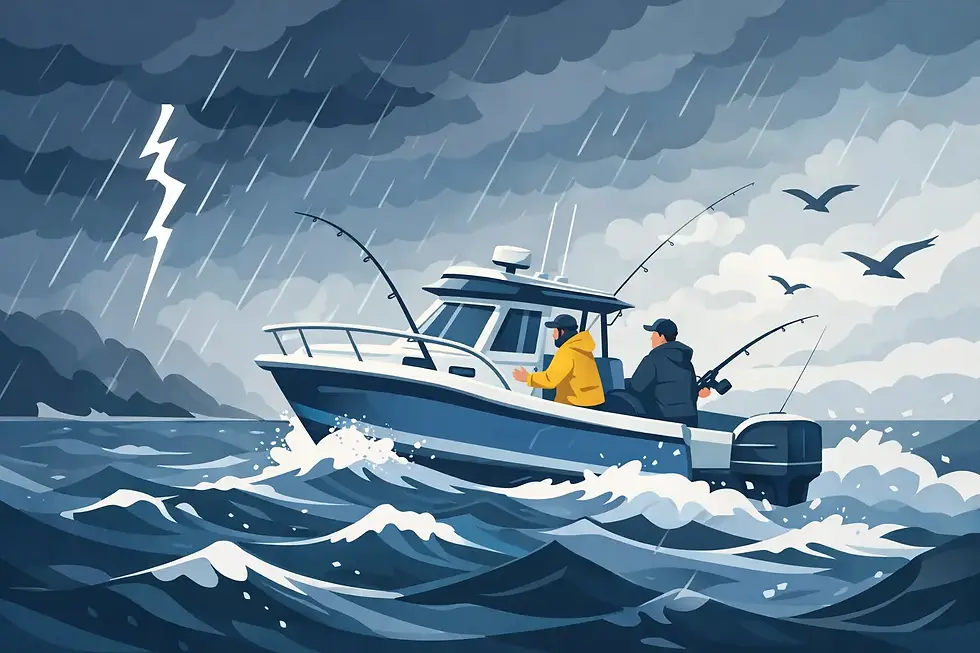
Wind can help or hurt depending on where you are fishing. A light breeze can break up the surface and make trout less spooky. Too much wind can dirty the water, make boat control harder, and pull you off your presentation. On the Gulf Coast, conditions can change quickly, so it pays to stay flexible and fish protected shorelines or leeward banks when needed.
The best bait for speckled trout
If you want the simplest answer, live shrimp catches speckled trout almost anywhere they swim. It is hard to beat because it looks, smells, and moves naturally. Fished under a popping cork, live shrimp is one of the most reliable ways to put trout in the boat for anglers of all skill levels. The cork adds sound, keeps the bait in the strike zone, and makes it easy to track your drift.
Artificial lures are excellent too, especially when trout are active and you want to cover water. Soft plastics on jig heads are a go-to because they are versatile and easy to adjust by depth and retrieve speed. Paddle tails and straight-tail plastics both work. Color matters some, but not as much as confidence, water clarity, and presentation. In cleaner water, more natural baitfish and shrimp colors tend to shine. In stained water, brighter or darker contrast colors can help trout find the lure.
Topwater plugs are a lot of fun when trout are feeding up high, usually in warmer months or low-light periods. There are few better strikes in inshore fishing than a trout blowing up on a walking bait at daylight. The trade-off is that topwater can be less consistent than subsurface lures if fish are holding deeper.
Tackle and setup that keep it simple
You do not need heavy gear for trout. A medium-light to medium spinning setup with a smooth drag gives you casting distance and enough backbone without pulling hooks. Speckled trout have softer mouths than redfish, so a lighter touch helps. Many anglers fish braided line with a fluorocarbon leader for sensitivity and castability, but straight mono still catches plenty of fish.
The main thing is balance. Too heavy, and you lose some action and increase the chance of pulling hooks. Too light, and you may struggle in current or around bigger fish. A setup that lets you cast small baits comfortably and still control the fish is usually the sweet spot.
How to work the bait
Presentation is where a lot of trout trips are won or lost. With live shrimp under a popping cork, make a cast, let it settle, then give the cork a sharp pop every few seconds. You want enough action to call fish in, but not so much that the bait never gets a chance to drift naturally. If trout are short striking, lengthen the pause.
With soft plastics, start with a steady retrieve and small twitches. If that does not get bit, slow down. If fish are active, speed up a little and cover more water. There is no single retrieve that always works. Trout can be aggressive one hour and picky the next. That is why paying attention to the first few bites matters. Once they show you the speed and depth they want, repeat it.
Hooksets should stay controlled. When a trout thumps the bait, avoid the giant bass-fishing swing. A firm sweep is usually enough. Then keep steady pressure and let the rod do the work. If you horse them at the boat, especially bigger trout, you can pull the hook free.
Common mistakes when learning how to catch speckled trout
The first mistake is fishing dead water too long. If there is no bait, no current, and no signs of life, keep moving. Trout can group up tightly, and a short move can change everything.
The second is ignoring depth. If you are getting follows or light taps but no solid bites, your lure may be above or below the fish. Change jig head weight, leader length, or retrieve count before giving up on the area.
The third is overworking the bait. Speckled trout often eat on the pause. Anglers get excited, reel too fast, and pull the lure away from fish that were about to commit.
Another common issue is not matching the conditions. Clear water, dirty water, strong tide, weak tide, bright sun, cloud cover - each one can change how trout set up and feed. Good trout anglers do not rely on one bait or one spot. They adjust.
When a guided trip helps
If you are new to inshore fishing, learning speckled trout on your own can take time because there are a lot of moving parts - tides, bait, water clarity, weather, and seasonal patterns. A guided trip cuts through a lot of that guesswork. You get local knowledge, the right gear, and real-time instruction on where fish are holding and how they want the bait worked that day.
That is especially helpful for families, couples, and groups who want the fun part of fishing without having to figure out boat setup, tackle selection, bait, licenses, and navigation. On a private inshore trip with Holy Schlitz Fishing Charters, the approach stays hands-on and straightforward, which is exactly what most people want when they are trying to catch fish instead of manage logistics.
Speckled trout fishing is at its best when you keep it simple, stay observant, and let the conditions tell you what to do. Find moving water, look for bait, fish the right depth, and slow down enough to give the trout a chance to eat. Some days they make it easy. Some days they make you earn it. That is part of what keeps coming people back to the bay.


Comments