
What to Bring on a Fishing Trip
- Mike Schlitz
- May 20
- 6 min read

You do not need to show up looking like a tackle shop exploded in your truck. If you are wondering what to bring on fishing trip plans along the Mississippi Gulf Coast, the short answer is less than most people think - but the right items make a big difference once the sun is up, the tide is moving, and the fish start chewing.
For most guided inshore charters, the basics matter more than extra gear. Comfort, sun protection, weather readiness, and a few personal items will do more for your day than hauling a pile of rods, tackle bags, and gadgets you may never touch. A good trip should feel simple, not like a packing contest.
What to Bring on a Fishing Trip for a Charter
If you are fishing with a guide, start by asking what is already included. That changes everything. On many inshore charters, the captain provides the rods, reels, bait, tackle, safety equipment, and fishing licenses, which means you can skip a lot of the stuff people assume they need.
What you should focus on is what the captain cannot pack for you - clothing, sun protection, food preferences, medications, and anything personal you will want during a few hours on the water. That is the difference between a trip where you are locked in and having fun, and one where you are hot, squinting, thirsty, and ready for the dock by mid-morning.
Start with the clothes you wear
The best fishing clothes are light, breathable, and made for full sun. A long-sleeve performance shirt is usually a better move than a tank top because it protects your skin without making you hotter. Quick-dry shorts or lightweight fishing pants work well, especially if there is spray, bait, or a little marsh mud involved.
Shoes matter more than people expect. Wear something with grip that can handle a wet deck. Non-marking boat shoes are great, but clean athletic shoes or sandals with a secure back strap can work too. Flip-flops are easy, but they are not always the best call if you are moving around the boat, handling fish, or dealing with hooks.
A hat with a brim helps a lot once the sun gets high. Polarized sunglasses are even better. They cut glare, help you see into the water, and make the whole day easier on your eyes. If you have ever spent hours on bright water without them, you already know.
Sunblock is not optional
On the Gulf Coast, sunburn can sneak up on you fast because the light reflects off the water all day. Bring sunscreen with solid coverage and put it on before the boat leaves the dock. Reapply during the trip, especially if you sweat a lot or get splashed.
Face, ears, back of the neck, tops of feet, and hands are the spots people miss. Those are also the spots that can make the ride home miserable. A neck gaiter can help if you burn easily or just want more coverage.
Bring more water than you think you need
Even on a shorter trip, hydration matters. Heat, sun, wind, and excitement all work together to dry you out faster than you expect. If your charter includes water, that covers the basics, but some anglers still like bringing their own sports drinks or extra bottled water.
If you want snacks, keep them simple and boat-friendly. Think easy stuff that does not melt, blow away, or leave your hands greasy right before you grab a rod. Crackers, granola bars, sandwiches, and fruit are usually better choices than anything messy.
The personal items that actually help
A small soft bag is usually all you need. Toss in your phone, wallet, keys, sunscreen, sunglasses case, and any medications you may need. If you are prone to motion sickness, do not wait until you feel bad. Bring your preferred remedy and take it as directed before the trip starts.
That one decision can save your day. Plenty of people assume inshore water will always be calm enough that they do not need to think about seasickness. Sometimes they are right. Sometimes a little chop, heat, and boat motion says otherwise.
A towel can also be worth bringing, especially in the warmer months. It is not a must-have for every trip, but it is nice to have after handling fish, rinsing off, or getting hit with spray on a breezy run.
Do you need a cooler?
It depends on the charter. If fish cleaning and bagging are part of the setup, the captain may already have a plan for your catch. If not, bringing a cooler in your vehicle for the ride home is smart. You usually do not need to drag a big hard cooler onto the boat unless the captain tells you to.
That is a good example of where more is not always better. Boats fish better when the deck stays open and uncluttered. Extra bags, oversized coolers, and random gear can get in the way when a redfish decides to run around the boat.
What not to bring on a fishing trip
This part matters too. People often overpack for charters because they are used to bank fishing, pier fishing, or loading up for a DIY boat day. Guided trips are different.
You usually do not need to bring your own rods and tackle unless you have already talked with the captain and there is a specific reason. Maybe you have a favorite setup for throwing artificials or want to test a new reel. That can be fine, but showing up with six rods and a tackle backpack the size of a carry-on usually does not improve the trip.
Avoid glass containers, bulky bags, and anything that cannot handle water. Keep valuables to a minimum. Expensive watches, loose jewelry, and stuff that can slide out of your pocket tend to have a bad habit of ending up in the bay.
Strong-smelling sprays can also be a mixed bag. Bug spray can help in some situations, especially around marshes at certain times of year, but spraying it all over your hands right before baiting hooks is not ideal. If you use it, apply it carefully and away from tackle and bait.
What to bring on a fishing trip with kids or beginners
If you are bringing kids, first-time anglers, or family members who are not on the water often, pack for comfort and attention span. The fishing itself is the main event, but a few smart extras can keep the mood good if the bite slows down or the weather feels warmer than expected.
Bring child-safe sun protection, a hat that fits well, extra water, and a snack they actually like. For younger kids, a spare shirt is never a bad idea. If someone in your group is brand new to fishing, reassure them that they do not need to buy gear for a guided trip. That takes pressure off and helps them enjoy the day.
This is one reason family-friendly charters work so well. A captain who provides the setup can keep things moving, answer questions, and help beginners get hands-on without making it feel complicated. For a private trip with Holy Schlitz Fishing Charters, that simplicity is part of the experience.
Weather changes what you should pack
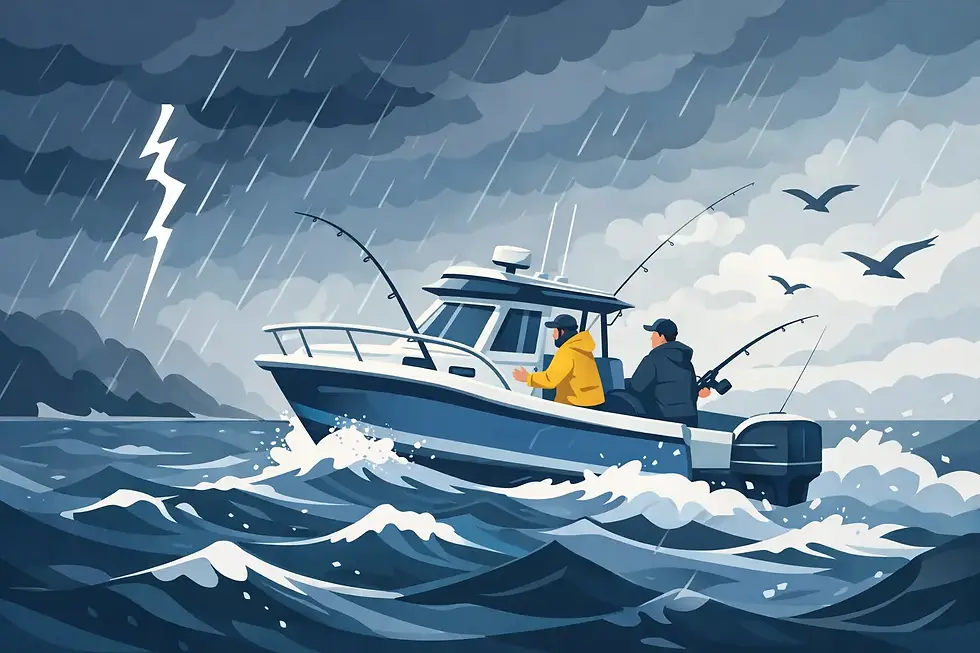
Mississippi inshore fishing can mean hot sun, a cool early run, afternoon storms, or a stiff breeze depending on the season. That is why layers beat heavy clothing. A lightweight rain jacket can be useful even on days that start out nice.
In cooler months, bring one extra layer more than you think you need. Boat rides feel colder than standing on land, especially before sunrise. In peak summer, the opposite is true - lighter clothing, more hydration, and stronger sun protection usually matter most.
The goal is not to pack for every possible scenario. It is to pack smart for the conditions you are likely to face without crowding the boat.
Keep it simple and ask ahead
The easiest way to figure out what to bring on a fishing trip is to separate fishing gear from personal comfort. Let the captain handle the fishing setup if that is part of the charter. You handle the clothes, sun protection, drinks, meds, and a few essentials.
If you are not sure about a specific item, ask before trip day. A quick question can save you from bringing too much or leaving behind something you will really want once you are out in the marsh or working shoreline for trout and redfish. The best-packed anglers are not the ones with the most stuff. They are the ones who show up comfortable, prepared, and ready to fish.


Comments