
Marsh Fishing Tips for More Gulf Coast Bites
- Mike Schlitz
- Jul 25
- 6 min read

A marsh can look wide open from the boat, then feel like a maze once the fish stop showing themselves. The best marsh fishing tips start with one truth: fish do not use every shoreline the same way. They follow moving water, bait, shade, and easy ambush points. Learn to recognize those ingredients, and your next Gulf Coast trip can turn from casting at grass into putting a bait in front of a feeding redfish, trout, flounder, or sheepshead.
Start With the Tide, Not the Map
Tide movement is the engine of marsh fishing. A strong incoming tide pushes clean water and bait farther into ponds, drains, grass lines, and flooded shorelines. Redfish often move shallow with that water, cruising grass edges, oyster points, and small cuts where shrimp and minnows are getting pushed around.
On a falling tide, the fish have to leave the shallowest water. That creates opportunity. Focus on the mouths of bayous, narrow drains, creek bends, and points leading out of ponds. Those spots concentrate bait as water pulls toward deeper channels. A drain that looks too small to matter can hold several redfish when the tide is moving hard.
There is no single “best” tide for every day. High water can make fish spread out across flooded grass, which is exciting when you can spot them but frustrating when you cannot. Low water can stack fish in predictable drains and deeper potholes, but it can also limit where a boat can safely run. The better question is where fish can feed during the stage of tide you have.
Before making a long run, look for signs that the water is alive. Nervous bait, mullet jumping, shrimp flicking, slicks, diving birds, or a push of water along a grass edge all deserve attention. In a marsh, the surface often tells you more than a pin on a map.
Marsh Fishing Tips for Finding the Right Water
Do not judge a shoreline by how good it looks from a distance. The productive part may be a single corner, a small indentation, or a six-foot-wide drain. Work the details instead of racing past them.
Oyster reefs are major feeding areas throughout the Mississippi Gulf Coast. They provide current breaks, hold bait, and attract redfish, sheepshead, and trout. Fish the edges rather than running directly over them, especially when the tide is moving. Keep your lure or bait just off the shell where fish can sit out of the strongest current and grab an easy meal.
Grass lines matter too, particularly where shallow grass meets a little deeper water. Redfish often patrol these edges looking for crabs, shrimp, and small baitfish. If the water is clear enough, slow down and watch for copper-colored backs, tailing fish, or a wake moving in a direction that does not match the wind.
Points and drains are reliable because they create a natural funnel. Set up far enough away that you do not spook fish, then make casts across the current and let your presentation work naturally through the strike zone. Repeated casts are worthwhile when bait is present. Fish may be staged nearby even if they do not bite on the first pass.
Wind changes the equation. A light breeze can make a shoreline fish better by pushing bait toward it and breaking up the surface. Too much wind can muddy shallow banks and make boat control difficult. When a strong wind has dirtied one side of a bay, look for protected shorelines, leeward banks, and cleaner water closer to the marsh interior.
Match Your Bait to the Conditions
Live bait is hard to beat when the goal is putting beginners, families, or mixed-skill groups on fish. Live shrimp can produce redfish, speckled trout, flounder, and sheepshead, making it a practical choice when you are not sure what is waiting on a shoreline. Under a popping cork, shrimp lets you cover shallow water while adding sound that can draw fish from nearby grass.
When fish are feeding along the bottom, a shrimp on a light jig head is a simple and effective setup. Keep the weight light enough to move naturally, but heavy enough to reach the zone you are trying to fish. If the current is strong, you may need more weight. If fish are in skinny water, too much weight can make the bait look unnatural and snag shell or grass.
Artificial lures are excellent when you need to cover water or when baitfish are the main forage. Paddle tails, soft-plastic shrimp imitations, spoons, and topwater plugs all have a place in the marsh. A weedless spoon can slide through grass where exposed hooks grab everything. A gold spoon is a classic redfish option on sunny days, while darker or more natural colors can work better in stained water or overcast conditions.
Topwater is one of the most exciting ways to target marsh fish, especially early and late in the day when bait is active near the surface. Work the lure with pauses. A missed strike does not always mean the fish is gone. Let the lure sit for a moment, then give it a subtle twitch before casting again.
The main rule is simple: make your bait look like something that belongs there. Retrieve it with the current when possible, avoid overworking it, and pay attention to what the baitfish are doing. If mullet are large and active, a tiny shrimp imitation may not be the best match. If small shrimp are popping along the grass, that is a strong clue.
Quiet Boat Control Catches More Fish
Marsh fish can be shallow, close, and surprisingly spooky. Slamming a hatch, dropping an anchor, running the trolling motor too fast, or casting over a fish can shut down a good-looking bank in a hurry.
Approach a shoreline from a distance and use the wind and current to your advantage. Let the boat drift into casting range when conditions allow. If you need the trolling motor, use short, deliberate adjustments instead of constantly correcting. Keep casts ahead of the boat and work water before you are directly on top of it.
Polarized sunglasses are more than a comfort item. They help cut glare so you can see oyster edges, grass pockets, bait movement, and sometimes the fish themselves. A hat with a brim also helps with visibility, especially during bright Gulf Coast afternoons.
When sight-fishing, lead the fish. Cast far enough ahead that your bait is waiting in its path rather than landing on its head. Watch the direction of the wake, then make a calm presentation. A redfish that suddenly turns, speeds up, or drops its head is often about to eat.
Fish for the Species in Front of You
Redfish are the marsh headline act because they pull hard, feed shallow, and will eat a wide range of baits. Look for them along grass, shell, drains, and shallow ponds with moving water. Their bites can be aggressive, but they are not always careless. In clear, calm water, downsizing your leader and making quieter casts can matter.
Speckled trout are often found around cleaner water, current, shell, and deeper edges near the marsh. They may hold in a drain mouth during moving water, then slide onto adjacent flats when bait is available. Trout can be more sensitive to water clarity than redfish, so if the marsh is muddy after a blow, check protected areas or nearby deeper water.
Flounder are ambush feeders. Think bottom, current, and transition areas. A muddy or sandy edge beside shell, a creek mouth, or a drop-off near a marsh point can all hold flounder. Work your bait slowly and stay ready for a bite that feels more like extra weight than a hard thump. Give the fish a moment to take the bait before setting the hook.
Sheepshead are usually tied to structure. Pilings, docks, reefs, and shell can all produce. Their bite can be light, so keep your line under control and avoid too much slack. Shrimp and small crustacean-style baits are dependable choices around the right structure.
Keep the Day Safe, Simple, and Fun
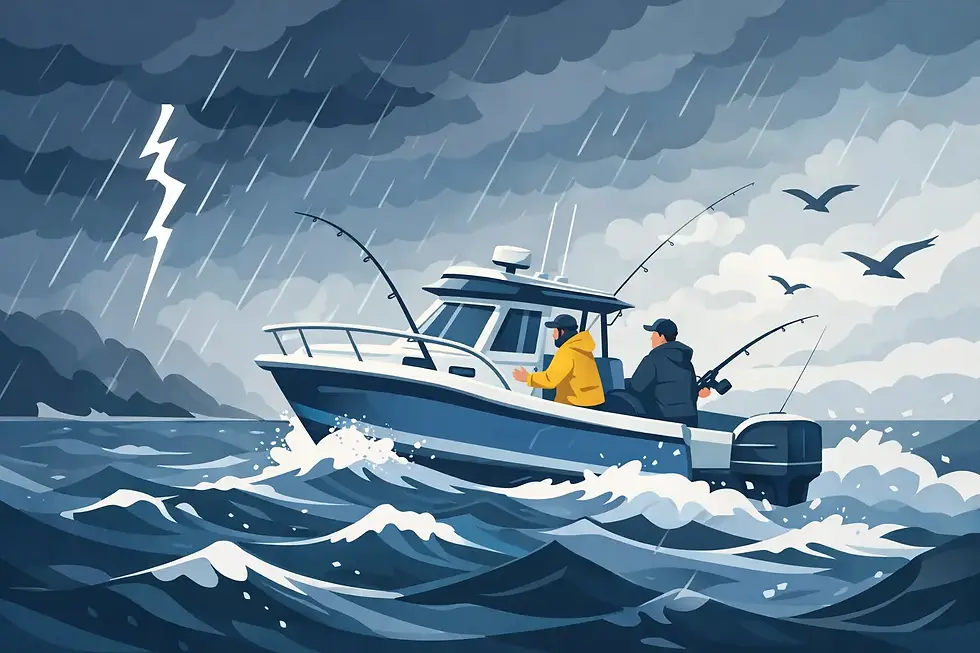
Marsh water can change quickly. Shallow flats, oyster beds, changing tides, storms, and boat traffic all deserve respect. Check the weather before leaving, wear appropriate safety gear, protect yourself from sun exposure, and carry more water than you think you will need. On hot Mississippi days, hydration is part of fishing well.
Pay attention to local regulations, including seasons, size limits, and bag limits. Keep only what you can legally and responsibly use. If you are releasing fish, handle them with wet hands when possible, support larger fish properly, and get them back in the water without a long photo session.
For visitors, first-timers, or anglers who want to spend more time fishing than figuring out the route, a guided trip can shorten the learning curve. Holy Schlitz Fishing Charters provides the boat, bait, gear, licenses, and local marsh knowledge so guests can focus on casting, catching, and enjoying the day.
The marsh rewards attention more than speed. Slow down when you see bait, trust the tide, make a quiet approach, and work the small pieces of structure other boats pass by. One good drain or grass corner can be all it takes to make a Gulf Coast fishing day memorable.


Comments