
How to Prepare for an Inshore Charter
- Mike Schlitz
- Jun 15
- 6 min read

The best inshore trips usually start before the boat leaves the dock. If you know how to prepare for an inshore charter, you spend less time second-guessing what to pack and more time watching corks disappear, feeling that thump on the line, and enjoying the day.
A lot of first-time guests assume they need to show up with a truckload of gear and a tournament mindset. Most of the time, that is not the case. A well-run inshore charter is built to make things easy. Your captain handles the boat, the local pattern, the rods, bait, and the details that matter on the water. Your job is to show up ready, comfortable, and able to fish.
How to prepare for an inshore charter before trip day
The first thing to do is confirm the basics. Make sure you know your trip time, meeting location, how many people are coming, and what is included. Every charter runs a little differently. Some include licenses, tackle, bait, drinks, and fish cleaning. Others expect you to cover part of that yourself. Getting clear on the details ahead of time avoids last-minute confusion at the ramp.
It also helps to be honest about your group. If you are bringing kids, let the captain know their ages. If anyone has limited mobility, mention it. If someone in your party has never fished before, that matters too. A good inshore captain can tailor the day, but only if he knows who is stepping on the boat.
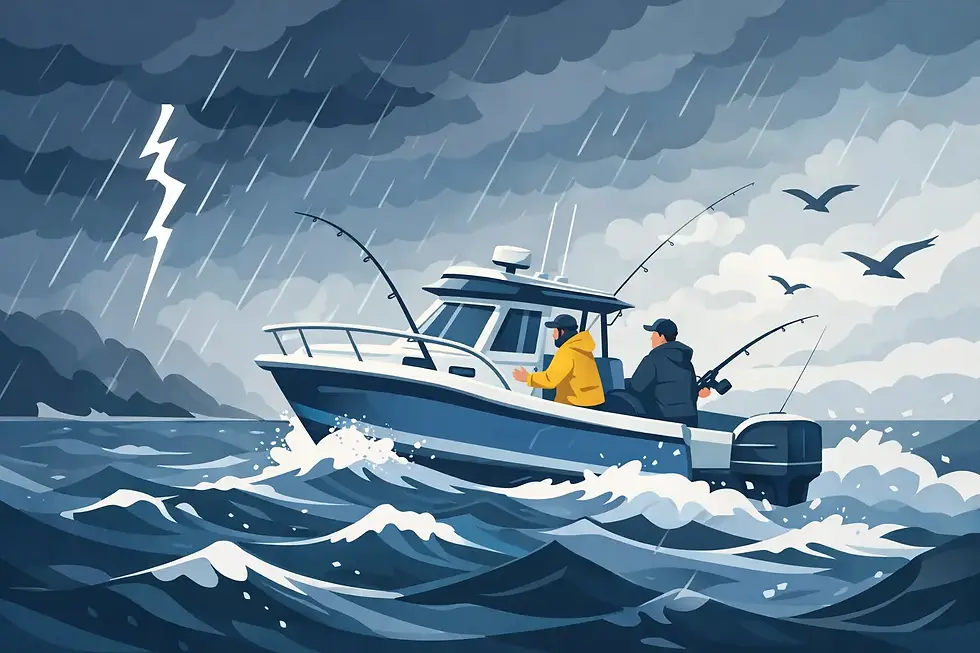
Weather is another part of preparation that people often overthink or underthink. You do not need to play meteorologist, but you should expect conditions to change. On the Mississippi Gulf Coast, a calm morning can warm up fast, and a breezy forecast can make one area fish better than another. That is normal. The captain will make the call on safety and fishable conditions, while you need to prepare for sun, wind, and the chance of getting a little spray on the ride.
Dress for comfort, not for photos
What you wear can make a good trip better and a long trip feel a lot longer. Lightweight, breathable clothes are usually the right move. Long-sleeve performance shirts, quick-dry shorts or pants, and a hat with good coverage all make a difference when the sun starts working on you.
Shoes matter more than many guests expect. Choose something with good grip that can handle water and fish slime without becoming a problem on deck. Flip-flops can work for some people, but closed-toe deck shoes or sturdy sandals are usually a better call, especially if you are moving around hooks, coolers, and active fish.
Sunglasses are not just for comfort. Polarized lenses help you cut the glare and actually see what is happening around grass lines, marsh edges, and shallow water. If you have ever tried to spot bait movement or a push from a redfish in bright sun, you already know the difference.
Bring a light rain jacket if the forecast is mixed or if you are fishing during a cooler season. Even when rain is not expected, a morning run across the bay can feel chilly with the wind. Layering is smarter than packing heavy clothes you will want to peel off in an hour.
Pack light, but pack the right stuff
One of the easiest mistakes is overpacking. On an inshore charter, deck space matters. You do not need a giant tackle bag, five rods, and a hard cooler packed like you are moving offshore for two days.
What you actually need is pretty simple. Bring sunscreen, sunglasses, any medications you might need, your phone, and a small personal bag if necessary. If you want snacks, keep them easy and not overly messy. Think grab-and-go, not a full tailgate spread.
If the charter provides water, take advantage of that and ask before bringing a large cooler. Space on a bay boat or inshore skiff is useful when anglers can move around comfortably. The less clutter underfoot, the smoother the trip goes.
If you are prone to motion sickness, prepare before the trip starts, not after the boat is rocking. Even inshore water can get choppy depending on wind and boat traffic. Take whatever motion sickness remedy works for you well ahead of departure and follow the instructions on the label. Waiting until you feel sick is usually too late.
Know what not to bring
This part is just as helpful as knowing what to pack. Most guests do not need to bring their own rods and tackle unless they have discussed it with the captain first. Guided charters usually provide the gear that matches the local fishery, and that matters. A setup that works in one region may not be the best fit for marsh redfish, trout under birds, or dock-shot sheepshead.
Leave valuables at home when possible. Boats are active places, and anything loose can get wet, stepped on, or dropped. The same goes for oversized bags. If you do not need it on the water, it is better left in the vehicle.
Glass containers are another thing to avoid. They are a bad mix with movement, hooks, and bare feet. Keep it simple, safe, and easy to manage.
How to prepare for an inshore charter if you are new to fishing
If this is your first charter, the good news is you do not need to become an expert overnight. You do not need to memorize every knot, lure, or species pattern before stepping on the boat. What helps most is showing up ready to listen, ask questions, and stay engaged.
Inshore fishing can be very hands-on. One cast might be tight to a grass edge, the next might need to drift naturally near an oyster bed, and another might call for a slow retrieve along the bottom. Small adjustments matter. Beginners who do well are usually the ones who pay attention and let the captain coach them through it.
It also helps to set the right expectations. Some days are all about numbers. Other days are about quality bites, changing conditions, or working harder for fish. That does not mean the trip is off. It just means fishing is fishing. Good captains adapt, but wild fish still get a vote.
If you are bringing children, keep the plan realistic. Kids often do best on trips where comfort, action, and a positive pace matter more than squeezing every last minute out of a technical bite. Letting the captain know that ahead of time can shape a better day for everyone.
Food, drinks, and pacing your day
Eat before you arrive. Starting a morning charter on an empty stomach is a bad strategy, especially in heat or choppy conditions. You do not need a huge breakfast, but a solid meal helps you stay comfortable and focused.
Hydration matters more than people think, even on a shorter trip. Sun, salt, and wind can wear you down fast. Drink water steadily, not just when you realize you are already hot. If you bring extra drinks, keep them simple and make sure they fit the captain's guidelines.
Pace yourself physically too. Inshore fishing can be relaxed, but it is still active. You may be casting repeatedly, moving around the boat, standing for long stretches, and reacting quickly when a fish eats. If you know you fatigue easily, mention it. There is nothing wrong with building in a more comfortable rhythm.
A quick word on timing and attitude
Arrive early. Not extremely early, but early enough that you are not rushing down the dock with untied shoes and forgotten sunscreen. A few extra minutes gives everyone time to get settled, go over the plan, and start the trip on the right foot.
Bring a good attitude along with your gear. That sounds simple, but it matters. Conditions change. Tides shift. Fish move. The best charter guests are coachable, patient, and ready to enjoy the whole experience, not just the moment a fish hits the deck.
That is especially true on a private charter with family or friends. A little flexibility goes a long way when one person is experienced, another is brand new, and someone else just wants a fun morning on the water. The strongest trips are the ones where everyone buys into the day and lets the captain do what he does best.
For guests booking with Holy Schlitz Fishing Charters, that preparation is pretty straightforward because so much is already handled for you. When the gear, bait, licenses, and local know-how are covered, you can focus on being ready to fish instead of trying to build the trip from scratch.
A good inshore charter should feel exciting, not complicated. Show up prepared, dress for the conditions, pack light, and stay open to the game plan. Then when that redfish bulldogs into the marsh or a speckled trout starts shaking its head at boatside, you will be exactly where you need to be.


Comments