
How to Prepare for a Fishing Charter
- Mike Schlitz
- Jun 19
- 6 min read

The best charter days usually start the night before, not at the dock. If you are wondering how to prepare for fishing charter trips without overpacking, overthinking, or showing up missing the basics, the good news is simple - you do not need a truck full of gear to have a great day on the water.
A good inshore charter is built to make things easy. Your captain handles the boat, the fishing setup, local knowledge, and the game plan. Your job is to show up on time, dressed for the conditions, ready to listen, and ready to fish. That is true whether you are bringing the family, planning a laid-back morning with friends, or trying to put redfish and speckled trout in the boat.
How to prepare for fishing charter trips the right way
The biggest mistake first-timers make is assuming they need to bring everything. On a guided trip, that usually creates more hassle than help. Before you pack anything, confirm what is already included. Many private charters provide rods, reels, tackle, bait, water, and fishing licenses, which means you can keep your own prep pretty light.
What matters most is preparing for comfort, weather, and time on the water. Inshore fishing around Bay St. Louis, the marsh, and nearby Gulf Coast waters can mean bright sun, moving air, spray, and changing conditions in the same trip. Dress for that reality, not for the parking lot.
Start with lightweight clothes you do not mind getting wet or fishy. Long-sleeve performance shirts work well because they protect you from the sun without feeling heavy. Quick-dry shorts or lightweight pants are better than jeans, which get hot, stiff, and miserable once wet. Shoes matter too. Closed-toe boat shoes or non-marking shoes with grip are usually the safest call. Flip-flops can work for some people, but they are not ideal when decks get slick.
A hat, polarized sunglasses, and sunscreen are not optional extras on the Mississippi Coast. They are part of a comfortable trip. Polarized lenses help cut glare so you can see better on the water, and that matters more than people think, especially when you are trying to watch bait movement, shoreline structure, or your line.
What to bring and what to leave behind
If you want a smooth trip, think simple. Bring the things that keep you comfortable and skip the stuff that turns into clutter.
A small personal bag is usually enough for sunscreen, sunglasses, a hat, any medication you may need, a phone, and maybe a light snack. If you are sensitive to motion, bring seasickness medication and take it before the trip starts, not after you already feel rough. Even on calmer inshore waters, some people do better when they plan ahead.
You may also want a small hand towel, especially in warmer months. It helps with sweat, wet hands, and fish slime. A phone case or dry pouch is smart too. Boats, bait, water, and electronics do not always get along.
What should stay in the truck? Large coolers, bulky tackle bags, and extra rods are often unnecessary unless your captain has specifically told you to bring them. The same goes for expensive valuables. Bring what you need, not what you would pack for a weeklong trip.
If your charter offers fish cleaning, ask ahead about how to transport your catch home. A simple cooler in your vehicle for the ride back can be useful, but it usually does not need to come on the boat with you.
Timing matters more than people realize
One of the easiest ways to start a trip right is to arrive early. Not overly early, but with enough time to park, find the dock, use the restroom, and get settled without rushing. Showing up stressed and scrambling is a bad start for anyone, especially kids.
Weather, tide, and feeding patterns often shape the day’s fishing plan, so your captain may want to leave right on schedule. If your trip starts at a certain time, treat that as launch time, not arrival time.
The night before, charge your phone, set out your clothes, and check the meeting details. Make sure everyone in your group knows where to go and when to be there. That sounds basic, but it saves a lot of last-minute confusion.
If you are bringing children, prep them too. Have snacks sorted, explain that there will be hooks and fish handling involved, and make sure they understand basic boat rules. Family trips can be a blast, but they go much smoother when kids know what kind of day to expect.
Food, drinks, and comfort on the water
People often focus on tackle and forget the basics that make a trip enjoyable. Eat something light before you leave. Starting a morning charter on an empty stomach is not a great move, especially in heat or if the water gets choppy.
Hydration matters just as much. Even if water is provided, drink plenty before the trip and keep drinking during it. Sun, salt air, and excitement can sneak up on you fast. If you are bringing extra drinks or snacks, keep them simple and easy to manage.
There is a trade-off here. You want enough food and drink to stay comfortable, but not so much that the boat gets crowded with bags and containers. Small and practical usually wins.
For longer trips, it also helps to think about the heat. Cooling towels, breathable clothing, and shade-friendly hats can make a real difference in midsummer. On cooler mornings, a light jacket is worth having because boat rides can feel much colder than the forecast suggests.
Weather, expectations, and staying flexible
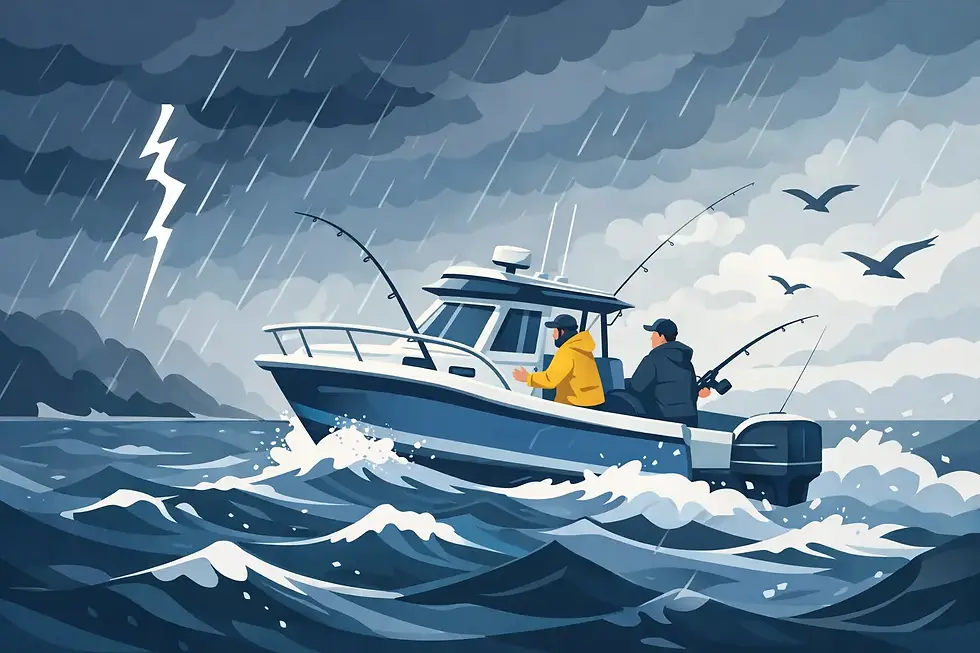
If you really want to know how to prepare for fishing charter days like a seasoned guest, learn to respect the weather without panicking over it. Conditions change. Wind shifts. Cloud cover moves in. One shoreline may be quiet while another turns on fast.
That does not mean your trip is ruined. It means fishing is fishing.
A good captain adjusts based on tides, clarity, wind, and what the fish are doing that day. Some trips are all about steady action. Others may involve more moving, casting, and working for better bites. If your goal is to catch redfish, trout, flounder, or sheepshead, flexibility helps. There are days when one species is fired up and another is not.
This is where expectations matter. A charter is not just a boat ride, and it is not a guarantee that every cast turns into a fish. It is a guided opportunity built around local knowledge, preparation, and putting you in the best possible position to succeed. The more open you are to the plan, the better the experience usually is.
Listen to the captain and fish smarter
You do not need to be an expert to have a strong day on the water. You just need to be coachable.
When your captain tells you where to cast, how fast to retrieve, or when to hold up because a fish is running, listen closely. Those small instructions are often the difference between missed chances and fish in the boat. Beginners usually do better than they expect when they follow guidance and ask questions.
Experienced anglers benefit from this too. Local water is local water. Even if you fish often, marsh edges, oyster beds, current flow, and seasonal patterns around the Gulf Coast may call for a different approach than what works at home.
If you have a strong preference, like throwing artificials or targeting a certain species, mention it early. Most captains appreciate clear communication. Just stay realistic if conditions suggest a different plan would be more productive.
A few details that make the day easier
Use the restroom before boarding. Bring any personal medication you might need. Keep your hands free when getting on and off the boat. Wear sunscreen before arrival so it has time to set. Those little details do not sound exciting, but they make the day run cleaner.
It also helps to think ahead about your group. If someone has limited mobility, a child who is brand new to fishing, or a low tolerance for heat, say that ahead of time. A professional charter wants the trip to fit the people on board, not the other way around.
That is one reason private trips work so well. The experience can be more hands-on, more relaxed, or more instructional depending on who is fishing. Holy Schlitz Fishing Charters keeps that process simple by covering the key gear and trip essentials so guests can focus more on the fun part.
The best prep is not complicated. Dress for the weather, bring only what you need, arrive on time, and come ready to learn. Then let the water, the tide, and the next bite do the rest.


Comments