
How to Choose a Fishing Charter That Fits Your Day
- Mike Schlitz
- Jul 24
- 6 min read

The best charter day usually starts before the boat leaves the dock. Knowing how to choose a fishing charter means looking past a good fish photo and finding a trip that matches your group, your schedule, and the kind of Gulf Coast fishing you want to do. A family with young kids may want steady action close to shore, while a group of experienced anglers may want more time working marsh edges for redfish or trout.
A good charter captain handles the boat, local conditions, tackle, bait, and the game plan. Your job is to choose the right fit, ask a few clear questions, and show up ready to enjoy the water.
Start With the Fishing You Want to Do
Not every saltwater charter fishes the same waters or targets the same species. Before you book, think about what would make the trip a win for your group. Is it catching a first redfish? Bringing home speckled trout for dinner? Watching kids hook fish in calm bay water? Or spending a full day chasing a mixed bag through the marsh?
For Bay St. Louis and Mississippi Gulf Coast inshore trips, popular targets include redfish, speckled trout, flounder, and sheepshead. Each species can call for a different approach depending on the season, tide, water clarity, and weather. Redfish may be feeding along grass lines, oyster reefs, and marsh drains. Trout often respond to the right moving water around reefs and deeper structure. Flounder and sheepshead can be especially rewarding, but they are not always the right target on every day.
A dependable captain will not promise a specific fish when nature has other plans. Instead, they should explain the likely seasonal options and adjust the plan to give your group the best chance at a productive trip. That flexibility matters more than a blanket claim that every outing produces the same result.
How to Choose a Fishing Charter by Trip Length
Trip length should fit your group’s energy, experience, and goals. More time on the water can create more opportunities, but a longer trip is not automatically the better choice for every crew.
A half-day charter is a solid choice for families, beginners, visitors with a busy vacation schedule, and anyone who wants a fun inshore experience without committing an entire day. It provides enough time to learn the basics, fish several productive areas, and get a feel for the bay or marsh.
A full-day trip gives the captain more room to follow the bite. That extra time can be valuable when tides change later in the day, fish move with weather conditions, or your group wants to target more than one species. It is often the better fit for serious anglers, friends who want to fish hard, or guests traveling specifically for a Gulf Coast fishing day.
A sunset trip can be a great option when the goal is a shorter, relaxed outing with cooler temperatures and beautiful evening light. It also works well for couples, families, and locals who want time on the water after work or after a day at the beach.
Be honest about the group you are bringing. Small children, first-time anglers, and guests prone to motion sickness may have more fun on a well-planned shorter trip than on an ambitious all-day run. A good day is measured by smiles, strikes, and time outside, not just hours on the clock.
Check the Captain’s Credentials and Local Knowledge
You are trusting a captain with your group’s time and safety, so professional credentials are not a small detail. Look for a USCG-licensed captain who carries appropriate insurance and runs a boat suited to the waters you will be fishing.
Local experience is just as valuable. Inshore water changes constantly. Wind can muddy up one shoreline while another remains fishable. A falling tide can concentrate fish near a marsh drain, and a rising tide can send them shallow. A captain who fishes the Bay St. Louis area regularly understands those patterns and knows how to make smart adjustments instead of wasting the day running from spot to spot.
It is also worth paying attention to how the business communicates before you book. Clear answers about departure times, passenger limits, deposits, weather policies, and what to bring are signs of an organized operation. You should not have to chase down basic trip information.
Know What Is Included Before You Compare Prices
A low advertised rate does not always mean a better value. Charter pricing can vary because of trip length, group size, boat type, fishing area, fuel needs, and what the captain provides. Compare the full package, not just the number at the top of the page.
For a straightforward inshore charter, ask whether the trip includes fishing licenses, rods and reels, tackle, bait, bottled water, and fish cleaning. Beginners especially benefit from an all-inclusive setup because there is no need to guess which gear to buy or whether a license is required. You can step aboard and focus on fishing.
Also ask whether fish cleaning is included or available as an option. Bringing home properly cleaned redfish, trout, or flounder can be one of the best parts of a successful trip. If you plan to keep fish, your captain should explain local regulations and help make sure your catch is handled responsibly.
Gratuity is another item to plan for. While it may not be included in the charter rate, tipping for good service is customary in the charter industry. Budgeting for it ahead of time prevents an awkward end to an otherwise easy day.
Match the Charter to Your Group
Private charters work especially well when you want the day built around your own crew. You are not sharing deck space with strangers, and the captain can tailor instruction and pacing to the people on the boat.
If you are taking children or first-time anglers, tell the captain when you book. A family-friendly trip may focus on comfortable conditions, active fishing, simple techniques, and plenty of help with casting, baiting hooks, and landing fish. Nobody should feel embarrassed for being new to saltwater fishing.
Experienced anglers should also speak up about their preferences. Maybe you want to throw artificial lures, sight fish shallow water, target a specific species, or spend more time working a certain kind of structure. The captain still makes the final call based on conditions, but your input helps shape the day.
Consider the physical side of the trip, too. Ask about the boat’s passenger capacity, shade, seating, restroom access if needed, and how far you may travel. These details can make a major difference for grandparents, younger children, and anyone who simply wants a comfortable ride between fishing spots.
Ask About Weather and the Backup Plan
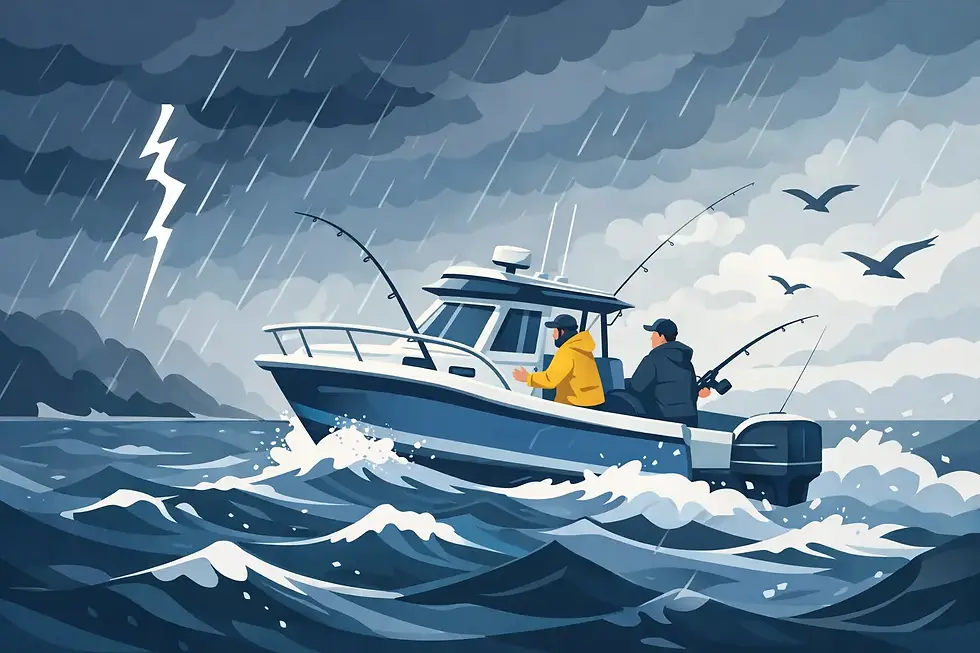
Weather is part of fishing, especially along the Gulf Coast. A light breeze may be manageable in protected marsh water, while strong winds, lightning, heavy rain, or rough conditions can make a trip unsafe or unpleasant. The right captain puts safety ahead of keeping a date on the calendar.
Before leaving a deposit, understand the weather policy. Ask who makes the final call, how cancellations are handled, and whether the trip can be rescheduled if conditions are unsafe. Keep in mind that cloudy skies or a small chance of rain do not necessarily cancel an inshore trip. Conditions on the water, not the forecast icon on your phone, guide the decision.
You can help by staying flexible. If the captain recommends a different departure time to fish a better tide or avoid afternoon storms, that advice often comes from experience earned over many seasons.
Read Reviews for the Right Details
Reviews can help, but do not only count five-star ratings. Read what guests actually say. Look for comments about the captain’s patience with beginners, boat cleanliness, safety, communication, effort, and how well the trip matched the description.
The strongest reviews often mention details that matter to your group: a child catching their first fish, a captain changing plans when the weather shifted, helpful instruction, or a crew leaving with cleaned fish for dinner. Those experiences tell you more than a generic comment about having a nice time.
Photos are useful, too, but treat them as proof of possibility rather than a guarantee. Fishing changes by season and day. A captain who shares realistic expectations while still working hard to put guests on fish is the one you want.
Book Early and Come Prepared
Popular weekends, holidays, and spring through fall dates can fill quickly. Once you have found the right captain and trip length, secure your preferred date with the required deposit. Confirm the meeting location, departure time, number of guests, and any special needs before the day arrives.
Bring weather-appropriate clothing, polarized sunglasses, sunscreen, a hat, and shoes that can handle a wet deck. A light jacket is useful for cool mornings, even when the afternoon turns warm. If anyone in your group gets motion sickness, prepare before the trip rather than waiting until the boat is underway.
With a clear plan and the right captain, a charter removes the hard parts of saltwater fishing without taking away the excitement. Holy Schlitz Fishing Charters is built around that kind of day: local inshore knowledge, quality gear, and a relaxed experience where beginners and seasoned anglers can spend more time feeling the pull on the other end of the line.


Comments