
Guide to Inshore Fishing Seasons
- Mike Schlitz
- Jun 17
- 6 min read

If you have ever booked a trip and wondered whether spring trout will outfish summer reds, or if fall really is the best time for a marsh slam, this guide to inshore fishing seasons is for you. On the Mississippi Gulf Coast, the calendar matters - but not as much as people think. Water temperature, bait movement, tides, wind, and recent weather can change the bite fast, which is why knowing the season helps, but local conditions always finish the story.
Why a guide to inshore fishing seasons matters
A good day inshore is not just about picking a date and hoping for the best. Different species feed harder at different times of year, and they also shift where they hold. One month you may find fish stacked along deeper shorelines and channel edges. A few weeks later, those same fish may be spread through ponds, points, oyster beds, or grass lines.
That is why anglers who understand the seasons usually make better decisions about trip timing. Families looking for steady action may prefer one part of the year, while experienced anglers chasing a specific species or size class may choose another. There is no single perfect season for everyone. It depends on what you want out of the trip.
Spring inshore fishing on the Mississippi Gulf Coast
Spring is one of the most exciting stretches of the year. As water warms up, bait starts moving, fish get more active, and the marsh begins to feel alive again. Speckled trout often become a major focus in spring, especially as they feed more aggressively around moving water, points, and areas with clean, slightly warmer conditions.
Redfish stay in the mix too, and they can be a great target when trout patterns get inconsistent. In early spring, redfish often hold in protected marsh areas and along banks that warm up quickly. On windy days, they can save a trip because they are usually more forgiving than trout when the conditions are less than ideal.
Flounder can show up as a solid bonus fish this time of year, especially around drains, current breaks, and muddy-to-sandy transitions. They are not always the headline species in spring, but they are around and worth targeting when the setup is right.
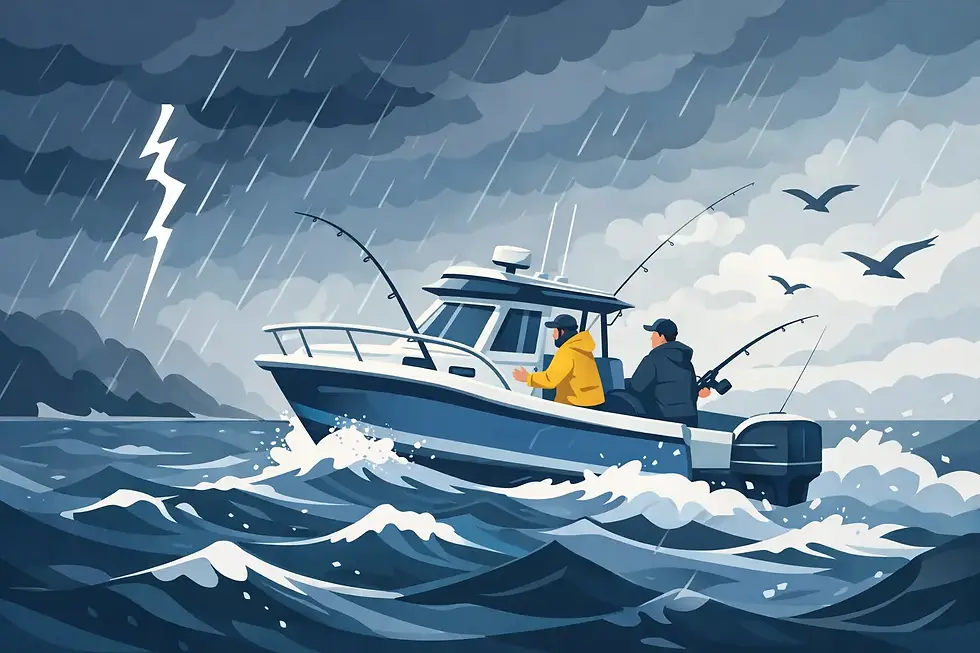
The trade-off with spring is that weather can still swing hard. One warm week can make it feel like full fishing season, then a late front rolls through and changes the bite overnight. If you are booking in spring, flexibility helps. The fish are there, but the best approach may change from one trip to the next.
Summer patterns and steady action
Summer usually brings predictable heat, more stable weather, and long feeding windows early and late in the day. That consistency can make summer a strong choice for anglers who want a fun, productive trip without overthinking the calendar.
Speckled trout often remain a top target in summer, especially in the mornings around current, bait, and moving water. As the sun gets higher, fish may slide deeper or become more selective, so timing matters more. Early starts are worth it.
Redfish are a dependable summer option around marsh edges, oyster structure, points, and broken shoreline. They are hard-fighting, family-friendly, and a great fish for beginners because the bite can be straightforward when they are feeding. Sheepshead can also be part of the summer picture around structure, especially for anglers who do not mind a more finesse-driven bite.
Summer also means more boat traffic and hotter conditions. That does not ruin the fishing, but it changes the rhythm of the day. For families and vacationers, a half-day or sunset trip can make a lot of sense this time of year. You still get the action, but with less midday heat and a more comfortable ride.
Fall is a favorite for a reason
Ask enough Gulf Coast anglers about their favorite season and a lot of them will say fall. The weather starts easing up, bait is still plentiful, and several species feed hard ahead of cooler conditions. Fall can offer that sweet spot of comfortable temperatures and strong inshore action.
Redfish are often a major draw in fall. They move through marshes, shorelines, and bait-rich areas with a lot of energy, and this is a season when sight-fishing opportunities can also improve depending on water clarity and wind. For anglers who love a hard pull and steady action, fall is tough to beat.
Speckled trout can be excellent in fall as well, especially around bait concentrations and current. When trout are keyed in, the action can be fast and fun for mixed groups that want both excitement and good table fare.
Flounder get a lot of attention in fall because of their seasonal movement. If your goal is to put flounder in the plan, this is often one of the best times to try. They are not automatic every day, and local regulations always matter, but fall is when many anglers start thinking seriously about them.
If there is a catch, it is that fall conditions can look great and still fish differently from week to week. Bait schools move. Water levels shift. A cold snap can speed up seasonal transitions. Fall is outstanding, but it still rewards anglers who let the conditions dictate the game plan.
Winter inshore fishing can be better than people expect
Winter gets overlooked by plenty of casual anglers, and that can be a mistake. While the fish may not spread out and feed the same way they do in warmer months, winter can produce quality inshore fishing for people willing to fish a little more patiently.
Redfish are often the main winter headline in protected marsh areas, deeper pockets, and spots that hold slightly warmer water. They can school tightly this time of year, which means when you find them, you may stay on fish for a while. That can be especially rewarding for smaller private groups looking for a focused trip.
Speckled trout can also be caught in winter, but they are usually more sensitive to temperature swings. After a strong front, they may settle into deeper, more stable water and feed in shorter windows. That means timing and location matter more than ever.
Sheepshead shine in winter and deserve more respect than they often get. They fight well, taste great, and hang around structure where patient anglers can pick away at them. For people who enjoy a more technical bite, winter sheepshead fishing can be a lot of fun.
Winter is not usually the best season for nonstop action every trip, especially for complete beginners who just want bent rods all day. But if the weather lines up, it can be one of the most underrated times on the water.
Species by season: what to expect
A practical guide to inshore fishing seasons should make one thing clear: fish do not follow the calendar perfectly. Still, some patterns are reliable enough to help you plan.
Redfish are available year-round and may be the most dependable inshore target across the calendar. If you want your best chance at consistent action regardless of season, redfish are hard to beat.
Speckled trout tend to shine most in spring, summer, and fall, though they can absolutely be caught in winter with the right setup. They are often more condition-dependent than redfish, which is why some trips shift focus based on wind and water quality.
Flounder are around in multiple seasons, but they get the most attention in fall when their movement patterns create stronger opportunities. Sheepshead are especially valuable in cooler months and around structure, though they can show up outside winter too.
How to pick the best season for your trip
If your group is new to saltwater fishing, the best season is often the one that gives you the most comfortable conditions and the most forgiving bite. That usually means spring, early summer, or fall. Those windows tend to balance action, weather, and species variety well.
If your goal is one specific fish, your timing gets narrower. Trout-focused anglers often look hard at spring and fall. Redfish anglers have more freedom and can fish almost any month with confidence. Flounder fans usually keep a close eye on fall. People who want a cooler-weather challenge may enjoy winter redfish or sheepshead.
This is also where a guided trip makes things simpler. You do not have to figure out bait, tackle, boat positioning, or where fish moved after the last front. A captain who fishes these waters regularly can match the plan to the season and the actual conditions that day. That is especially helpful on the Mississippi Gulf Coast, where wind and tides can change what is realistic in a hurry.
For anglers booking with Holy Schlitz Fishing Charters, that means the trip can stay straightforward even when the fishing is nuanced. You show up ready to fish, and the seasonal guesswork gets a whole lot easier.
A few final timing tips
If your schedule is flexible, ask about recent conditions instead of only asking for the best month. A great week in February can outfish a tough stretch in June. Also think about trip length. Half-day trips are great for families, beginners, and hot-weather mornings, while full-day trips give more room to adapt if the early bite is slow.
Sunrise and sunset windows often matter just as much as season, especially in warmer months. And if your group has mixed experience levels, target species should stay realistic. Chasing one picky fish all day may sound good on paper, but a mixed-bag inshore trip is often more fun for real people on a real boat.
The best time to go inshore fishing is when your group is excited to be there, the expectations match the season, and the plan fits the conditions. Pick a window that matches your goals, bring a good attitude, and let the water tell you the rest.


Comments