
Can Kids Go on Charters? A Parent’s Guide
- Mike Schlitz
- Aug 4
- 6 min read

A child’s first redfish can turn a regular family outing into the story they tell for years. The pull on the line, the flash of a fish at the boat, and the proud photo afterward all make a Gulf Coast fishing trip feel like more than a day outdoors. But can kids go on charters? Absolutely, provided the trip, conditions, and expectations are a good fit for the child.
Private inshore fishing charters are often one of the best ways for families to introduce kids to saltwater fishing. A captain handles the boat, bait, tackle, fishing licenses, and the local waters, so parents can focus on helping their child have a safe, comfortable, fun day. The key is choosing a family-friendly trip and preparing for the realities of being on the water.
Can Kids Go on Charters Safely?
Kids can go on charters when there is proper adult supervision, correctly fitted safety gear, and weather conditions that are appropriate for the trip. Inshore waters around Bay St. Louis, including bays and marshes, can be a more comfortable starting point than a long offshore run for many young anglers. The water is often calmer, the ride is shorter, and there are plenty of chances to target exciting fish such as redfish, speckled trout, flounder, and sheepshead.
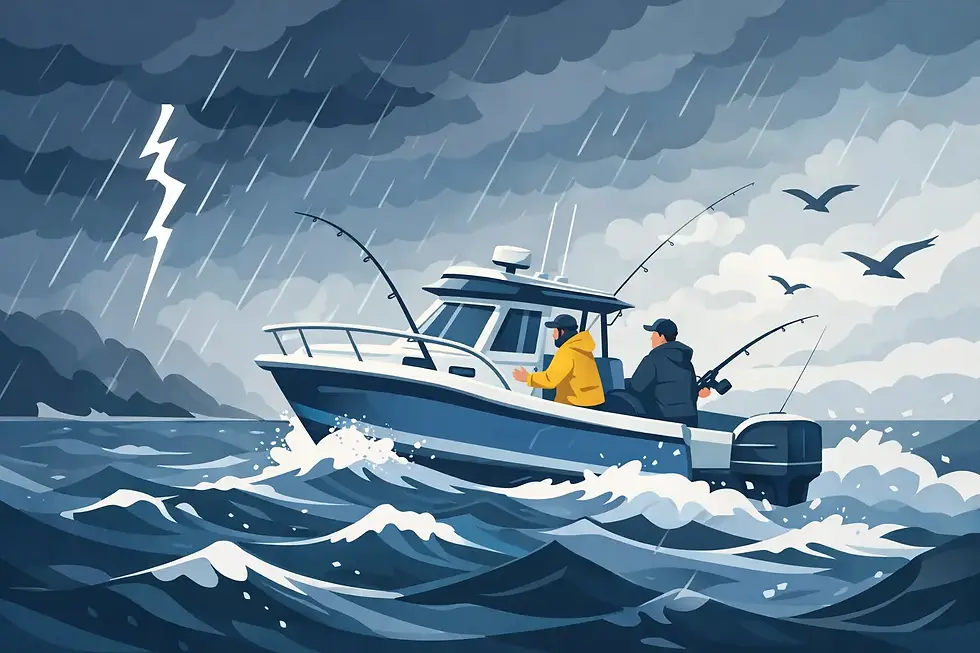
That does not mean every day is right for every child. Wind, rain, heat, rough water, and changing conditions affect how a trip feels, especially for a youngster who has never spent several hours in a boat. A professional captain will watch the forecast, make sound decisions about safety, and communicate if conditions call for a change of plan or a reschedule.
Parents should also be realistic about attention spans. Some kids are ready to fish hard from the first cast to the last. Others may be thrilled to catch one fish, watch a dolphin, snack for a few minutes, and take a turn holding the net. Both are successful charter days.
What Age Is Right for a Fishing Charter?
There is no single perfect age. The best indicator is whether your child can listen to simple instructions, wear a life jacket comfortably, and handle a few hours outside with breaks. Many school-age children do very well on an inshore charter, while younger children may enjoy a shorter outing more than a full day.
Before booking, talk directly with the captain about your child’s age, size, boating experience, and comfort level. Ask about the length of the trip, expected ride time, restroom access, shade, and what safety equipment is available. This helps the captain recommend an option that matches your family instead of trying to force a long trip into a short attention span.
A half-day charter is often the smart choice for a child’s first trip. It gives everyone enough time to get settled, learn the basics, and have real opportunities to catch fish without pushing a young angler past their limit. Sunset trips can also be a great fit when summer heat is a concern and your family wants a shorter, memorable evening on the water.
Life Jackets Are Not Optional
Every child should have a properly fitted U.S. Coast Guard-approved life jacket. It should fit snugly without riding up around the ears or chin. Children should wear it as required by law and captain instructions, and parents should make wearing it feel normal before leaving the dock.
If your child has a life jacket they already know fits well, ask whether you should bring it. Otherwise, provide the child’s current weight and age ahead of time so the captain can prepare appropriate gear. Do not assume an oversized adult vest will work for a small child.
The Captain Sets the Safety Standard
A licensed, insured captain brings more than fishing knowledge to the trip. They know how to operate safely in local waters, read changing weather, select protected fishing areas when possible, and keep guests clear of hazards such as hooks, moving boats, and shallow-water obstacles.
Parents still have an important role. Keep an eye on children near the rail, remind them to stay seated while the boat is moving, and make sure they know not to cast or swing a rod until the captain says it is clear. A few simple rules at the start make the whole trip easier.
How to Make a Charter Fun for Young Anglers
The fastest way to make fishing feel frustrating is to treat it like a competition. Kids do not need to cast perfectly, bait every hook, or catch the biggest fish of the day. They need action, encouragement, and a chance to participate.
A good family captain can help with the hands-on moments that matter most. That may mean showing a child how to hold the rod, helping them feel a bite, keeping tension on a fish, or taking over briefly when a strong redfish makes its first run. Even children who are too young to cast independently can reel in a fish with help and feel the excitement of the fight.
Let the trip move at the child’s pace when possible. Celebrate a small trout the same way you would celebrate a trophy fish. Let them ask questions about bait, birds, boats, and the marsh. If the fish are not biting, the scenery still has plenty to offer, from pelicans overhead to the quiet grass lines of the Mississippi coast.
It also helps to set the expectation before you leave: fishing is an outdoor adventure, not a guarantee. Some days produce steady action, while other days require patience and a change of location. Kids usually handle that well when adults stay upbeat and focus on the experience rather than the fish count.
What Parents Should Bring for Kids
Most guided charters provide the core fishing setup, including rods, reels, tackle, bait, water, and fishing licenses when covered by the charter. Parents should focus on personal comfort and the items that keep kids happy in the sun.
Bring weather-appropriate clothes, non-slip shoes, sunglasses, sunscreen, hats, and a light rain layer if the forecast calls for it. Pack extra water and snacks your child likes, even if water is provided. A small cooler bag, motion-sickness medication approved by your child’s doctor, and a change of clothes can be especially useful for younger anglers.
Avoid bringing too much loose gear. Boats have limited space, and children move more safely when walkways are clear. Leave valuable electronics behind unless you are prepared to protect them from water, bait, and fish slime.
For warmer months, start the sun plan early. Apply sunscreen before arriving at the dock, use a hat that stays put in the wind, and encourage regular drinks of water. Heat can drain a child’s energy long before they say they are tired.
Choose a Private Charter for Your Family
A private charter gives families more control over the pace and atmosphere of the day. You are fishing with your own group rather than trying to keep up with strangers who may have different goals or experience levels. That can make a big difference for parents bringing kids on the water for the first time.
At Holy Schlitz Fishing Charters, the focus is on hands-on inshore fishing that works for beginners, experienced anglers, and families who simply want a great day outside together. The captain can help target the species that are biting while keeping the experience approachable for young guests.
When booking, be upfront that children are coming. Share their ages, mention any concerns about motion sickness or first-time boating, and ask which trip length is likely to suit your crew. Clear communication gives the captain the information needed to plan a better day.
A Few Rules Kids Can Remember
Before the boat leaves the dock, keep the safety talk simple. Kids should know to wear their life jacket as instructed, sit down while the boat is underway, listen when the captain gives directions, and keep hands away from hooks and moving equipment. They should also know to ask for help rather than trying to untangle a line or remove a fish on their own.
These rules are not meant to take the fun out of the trip. They let everyone relax once the fishing starts. A child who knows what to expect is more likely to feel confident when it is time to grab the rod.
The best family charter is not measured only by a full fish box. It is the moment your child feels that first tug, looks out across the marsh, and realizes they want to come back and do it again.


Comments