Best Bait for Sheepshead Fishing on the Gulf Coast
- Mike Schlitz
- Jul 21
- 6 min read

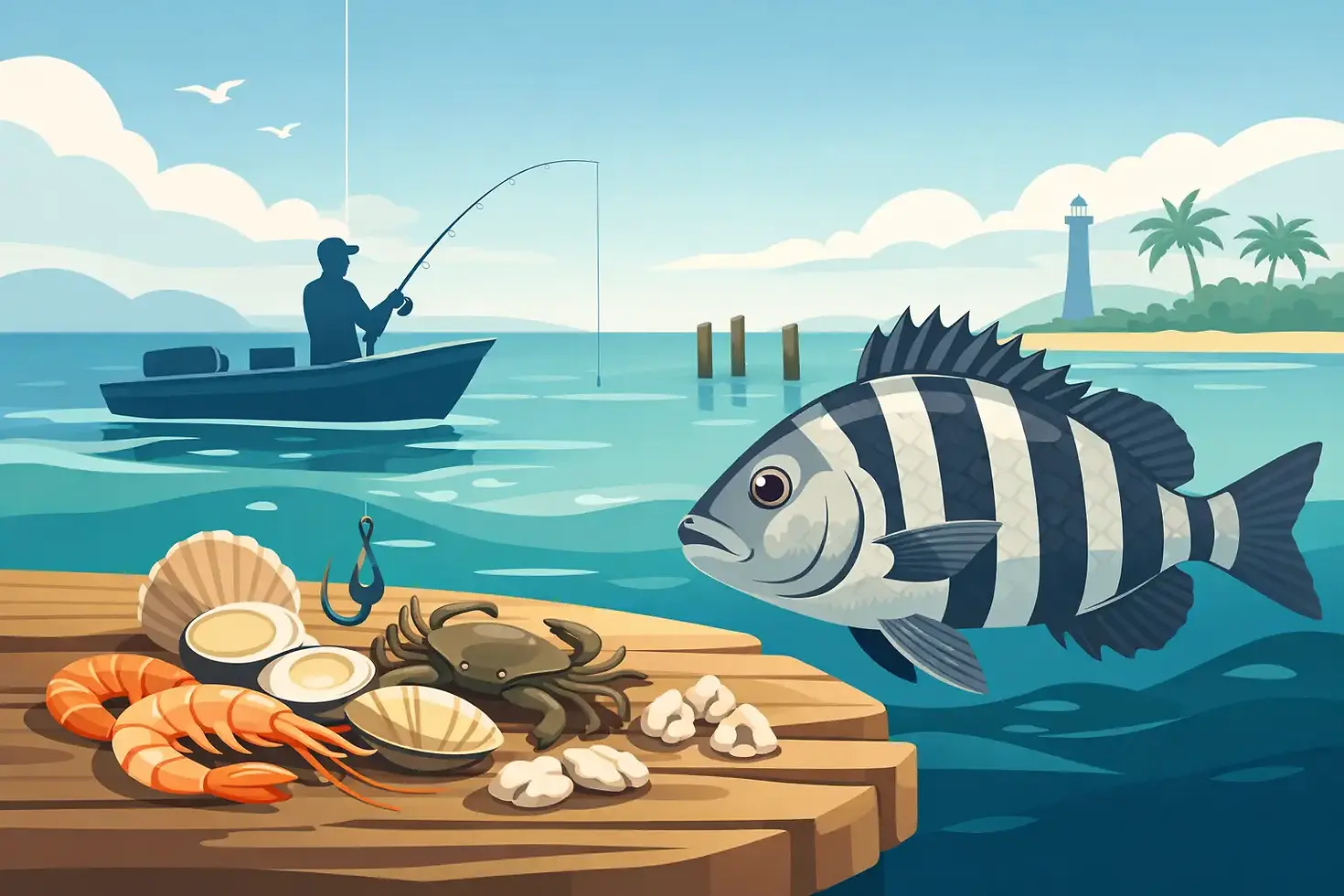
Sheepshead do not usually chase a bait across open water. They pick at pilings, oyster reefs, seawalls, and rock jetties, using those human-like teeth to crush the small crabs and shellfish living there. That is why the best bait for sheepshead fishing is almost always a natural bait that looks and smells like what they are already eating off the structure.
For anglers around Bay St. Louis and the Mississippi Gulf Coast, the top choice is usually a live fiddler crab. But it is not the only bait that catches fish. Live shrimp, oysters, barnacles, and small crustaceans can all put a solid sheepshead in the boat when presented the right way. The difference is matching your bait, rig, and approach to the water you are fishing.
Choosing the Best Bait for Sheepshead Fishing
Live fiddler crabs: the first choice
If you can get live fiddler crabs, bring them. They are tough enough to stay on the hook, they naturally live around the same pilings and shell beds sheepshead feed on, and big fish recognize them immediately. A fiddler crab is especially hard to beat around dock legs, bridge pilings, rock walls, and oyster-covered structure in late winter and spring, when sheepshead often gather in good numbers.
Use a small but strong hook, generally a 1/0 or 2/0 circle hook or short-shank live-bait hook. Run the hook lightly through a rear leg socket or through the edge of the shell. Avoid burying too much hook in the crab. A sheepshead bite can be quick and subtle, and exposed hook point helps turn those taps into hookups.
Fiddler crabs cost more than some other baits and may not be available at every bait stand. If you collect your own, be sure to follow current local rules and avoid taking more than you need. Keep them cool, shaded, and dry enough that they are not sitting in water. A small container with damp sand or a damp towel works better than a bucket full of water.
Live shrimp: easy to find and highly effective
Live shrimp is the practical choice for many Gulf Coast anglers. It is easy to buy, familiar to beginners, and catches far more than sheepshead. That last part can be helpful or frustrating, depending on the day. Shrimp may draw redfish, black drum, mangrove snapper, pinfish, and other bait-stealers before a sheepshead gets to it.
For sheepshead, use a smaller shrimp when possible. Hook it through the horn just ahead of the dark spot on its head, or lightly through the tail if you need it to sit closer to the bottom. A small, natural-looking shrimp often gets more bites than a giant bait that looks out of place around the pilings.
The trade-off is that shrimp are soft. If bait thieves are stripping your hook before you can react, switch to fiddler crabs or a firmer shellfish bait. Still, live shrimp is a dependable starting point, particularly for families and anglers who want a bait that can catch whatever is feeding around the marsh or marina.
Oysters, clams, mussels, and barnacles
Sheepshead are built for shellfish. Their teeth make short work of oysters, mussels, small clams, and barnacles, so these baits make sense around hard-bottom areas and oyster reefs. Fresh oyster can be excellent when fish are feeding close to the bottom, but it is soft and can come off the hook easily. Thread a small piece onto the hook and use just enough to cover the bend without hiding the point.
Barnacles and mussels are often overlooked, even though they closely match what sheepshead are scraping from pilings. A small cluster of barnacles or a mussel on a compact hook can be a strong option when fish are visibly working dock structure but ignoring shrimp. These baits are best used fresh. Once they lose their natural scent and texture, their advantage fades quickly.
Sand fleas and small crabs also deserve a place in the bait bucket, especially near beaches, rock jetties, and tidal passes. They may not be as universally available as shrimp, but they are natural forage and hold up well enough for targeted fishing.
The Right Rig Matters as Much as the Bait
The best bait will not help much if it hangs too far from the structure or drifts unnaturally in the current. Sheepshead often feed within inches of a piling, seawall, or reef. Your job is to get the bait down to that strike zone without wedging your sinker in the rocks.
A simple Carolina-style rig is a good all-around setup: a small egg sinker above a swivel, followed by 12 to 18 inches of 15- to 20-pound fluorocarbon leader and a 1/0 or 2/0 hook. Use only enough weight to reach the bottom and stay in position. In shallow, protected water, that may be a quarter-ounce. In stronger tidal flow near a bridge or pass, you may need three-quarters of an ounce or more.
A knocker rig can also work well around vertical pilings because the sinker rests directly above the hook and keeps the bait compact. When fishing a tight oyster reef, some anglers prefer a small jig head with a shrimp or crab because it gives them better contact with the bottom. The downside is more snags, so save that approach for spots where you can work slowly and precisely.
Braided line in the 20- to 30-pound range helps you feel light bites, while a fluorocarbon leader provides abrasion resistance against oysters and barnacles. Check the leader often. One rough scrape across a shell-covered piling can weaken it enough to cost you the fish of the day.
How to Fish the Bite Instead of Chasing It
Sheepshead have a reputation for stealing bait because they are good at it. Most missed fish come from setting the hook at the first tap. A better approach is to lower the bait, keep a slight bend in the line, and wait for the bite to turn from a quick peck into steady pressure or a deliberate pull.
Do not let the bait sit far behind the boat. Position it near the up-current side of a piling, oyster bar, or rocky edge so the current carries it naturally into the feeding zone. If you are fishing from shore, cast short and work the edges of visible structure rather than launching a long cast into open water.
When the fish takes the bait, reel smoothly and lift the rod with steady pressure. There is no need for a hard, dramatic hook set, especially with circle hooks. Once hooked, keep the fish coming away from the structure. A sheepshead does not fight like a bull redfish, but a good one can quickly cut you off in barnacles if given slack.
When Bait Choice Changes With the Season
Cooler months are prime time for many Gulf Coast sheepshead trips. Fish often stack around bridges, reefs, docks, and other structure from late fall through spring, with a particularly strong bite around their spawning period. Fiddler crabs and shrimp are reliable during this window because they match the food fish expect to find around hard cover.
Water clarity and current should influence your choice too. In clear, calm water, use a smaller bait, lighter weight, and a longer fluorocarbon leader. In stained water or moving tide, scent becomes more valuable, and a fresh shrimp, oyster piece, or lively crab can help fish locate the bait.
Tide matters more than the clock. Moving water brings food past the structure and usually creates the best opportunity. A gentle incoming or outgoing tide is often easier to fish than a hard-running current that sweeps your bait away from the target. If the bite slows, move to another side of the structure before changing every piece of tackle. Sheepshead may simply be holding where the current is most comfortable.
A good sheepshead trip rewards patience and precision. Start with live fiddler crabs if you have them, keep live shrimp ready as a versatile backup, and fish every bait close to the shell, rock, or piling where these fish live. If you want a hands-on day targeting Gulf Coast sheepshead without handling the boat, bait, or local setup, Captain Mike Schlitz can put your group in the right water and help everyone learn the bite.


Comments